
Drone cleaning typically costs less and finishes faster than boom lifts or scaffolding on tall or hard-to-access commercial buildings, because it needs a smaller crew, no equipment rental, and doesn't require shutting a facility down. On one real project — the 162-foot Domino Sugar factory in Baltimore — the traditional lift-and-scaffold approach was estimated at six weeks with a 12-13 person crew and roughly $50,000 in lift rental alone; drone cleaning finished the same job in about two weeks with a six-person crew, without stopping production.
What lifts and scaffolding actually cost
Equipment rental
A boom lift has to be sized to the building's height, and tall commercial buildings often need more than one lift working different sections. Large booms aren't stocked everywhere either — availability can be limited and rentals can run into the thousands of dollars per week, per lift.
Crew size
A lift-based job typically needs two people in the basket plus two to three more on the ground per setup — before accounting for the people needed to relocate equipment as the job moves around the building.
Timeline
Large or complex facilities can take a month or more with traditional access methods once you account for equipment setup, relocation, and weather delays.
Business disruption
Lifts and scaffolding often require closing off areas or pausing operations nearby — a real cost for any facility that can't afford downtime.
What changes when you fly instead of climb
A cleaning drone replaces the lift fleet with a small ground crew — a pilot, one or two visual observers, and a pump operator running the pressure-washing or softwash system. There's no equipment to rent, no relocation downtime, and no one working at height.
- Reaches circular, angled, or oddly shaped facades that lifts can't get close to
- Repositions in minutes instead of hours
- Can work around a live, operating facility without shutting it down
- Precision-controlled spray reduces the risk of surface damage
Traditional access vs. drone cleaning
Lifts & Scaffolding
- Equipment rental, often multiple lifts
- Larger crew (2 per lift, plus ground support)
- Setup and relocation time between sections
- May require shutting down nearby operations
- Workers operating at height
Drone Cleaning
- No lift rental
- Smaller ground crew
- Minutes to reposition between sections
- Facility can typically stay open and operating
- Crew stays on the ground the entire time
When traditional methods still make sense
Drone cleaning isn't the right call for every job. Low, single-story buildings that a single ladder or short lift can handle quickly usually don't need a drone. Fully enclosed courtyards or interior spaces with no flight clearance still call for traditional access. The right method depends on the building — which is exactly why we offer both.
Two real projects, two different challenges
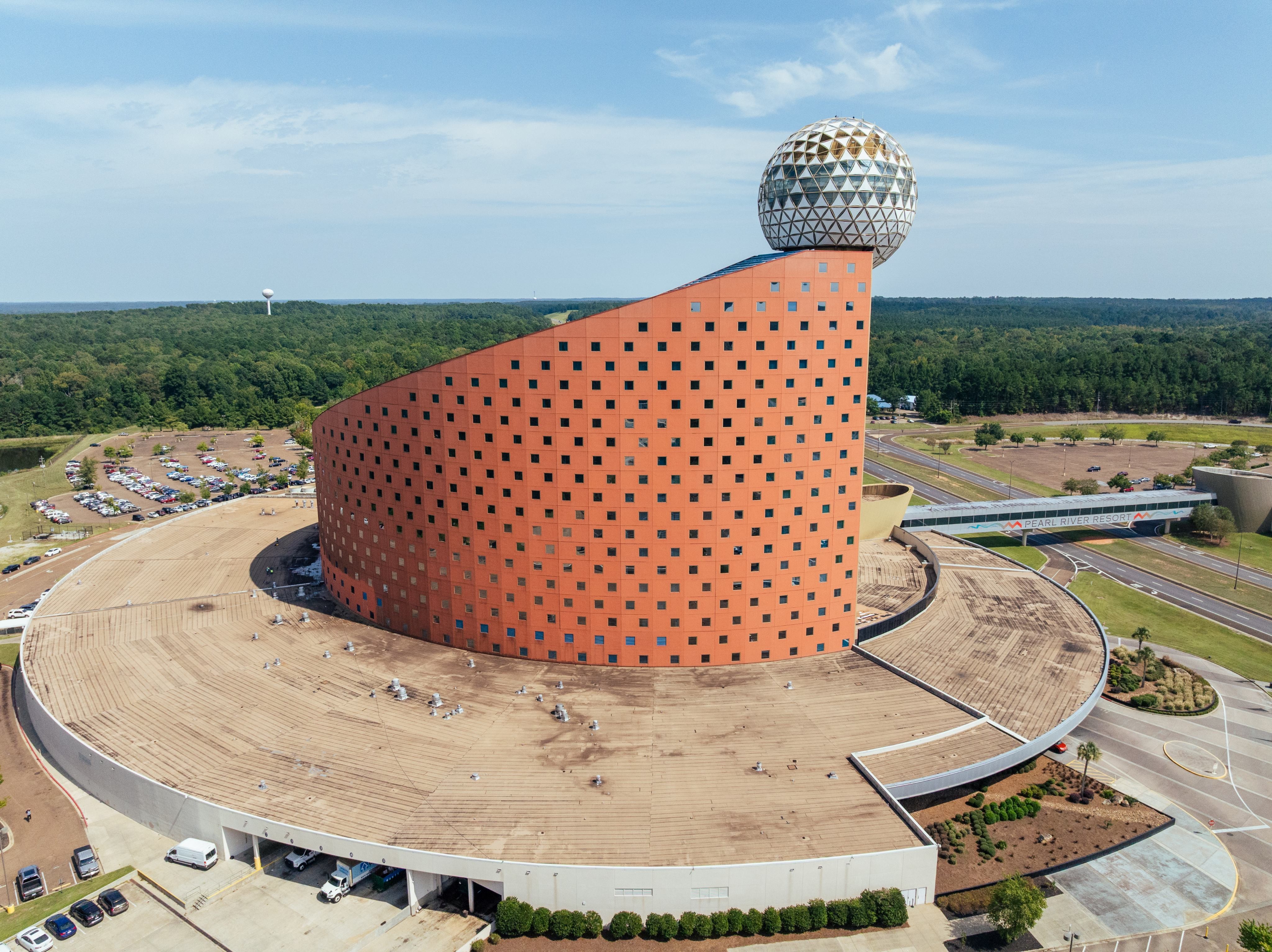
Cleaning a 16-Story Casino Tower by Drone
A circular base blocked every lift and scaffold. See how we cleaned the entire tower facade from the roof down.
Read the case study
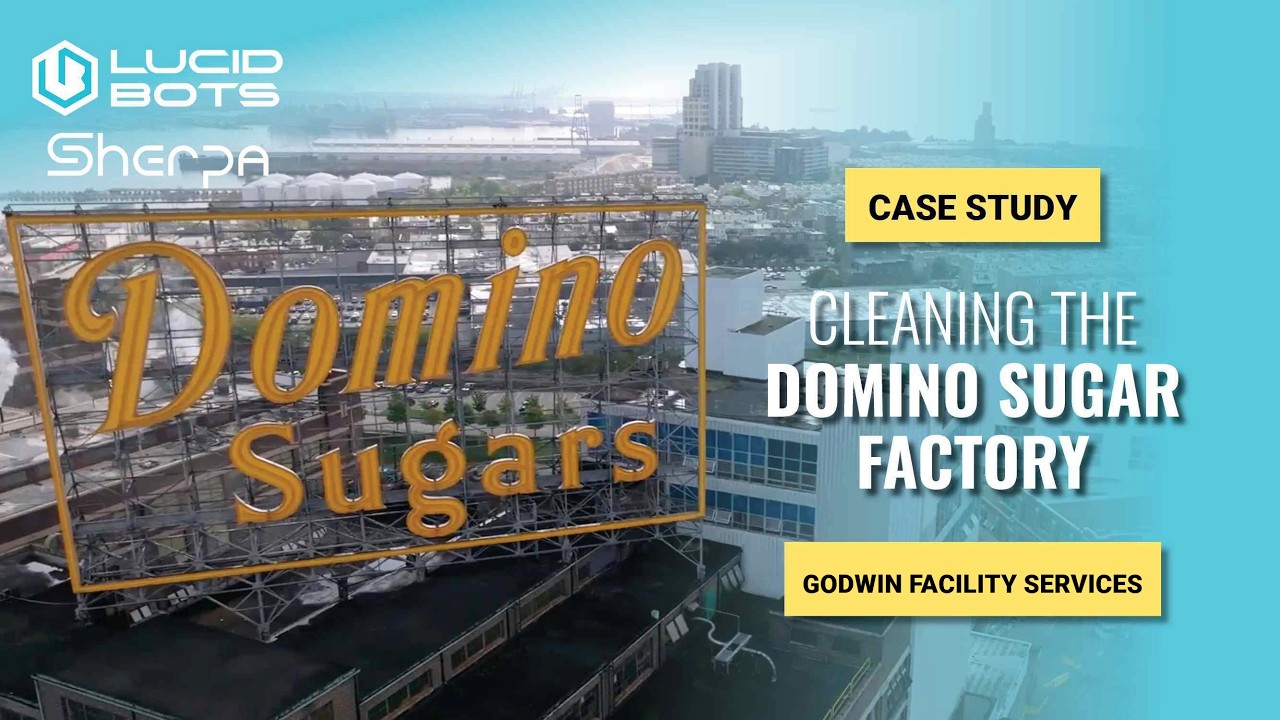
Cleaning the Domino Sugar Factory — Without Shutting It Down
A live, 103-year-old factory that couldn't afford a six-week shutdown. See how drones cut the job to about two weeks.
Read the case studyDrone cleaning vs. traditional access: common questions
Is drone cleaning cheaper than renting a lift?
Often, yes. Boom lifts large enough for multi-story commercial buildings typically rent for thousands of dollars per week, and tall or complex buildings may need more than one. Drone cleaning replaces that rental cost with a smaller ground crew, so total project cost is frequently lower — though the exact savings depend on the building's height, access, and timeline.
How long does drone cleaning take compared to scaffolding?
Drone cleaning is usually significantly faster because it skips the days of setup and takedown that scaffolding or multiple lift relocations require, and needs fewer people to operate. On one real project, a job traditionally estimated at six weeks was completed in about two weeks with drone cleaning.
Can a cleaning drone reach every part of a building?
Cleaning drones handle tall, circular, or oddly shaped facades extremely well — including buildings where lifts physically cannot get close enough. Very tight interior courtyards or fully enclosed spaces with no flight clearance are the main exception, where traditional access may still be necessary.
Is drone cleaning safe for the building and the crew?
Yes. Drone cleaning is precision-controlled and keeps technicians on the ground instead of working at height, which removes the single biggest safety risk in exterior building cleaning. The spray can also be dialed in by surface, reducing the risk of damage compared to a lift-mounted pressure washer.